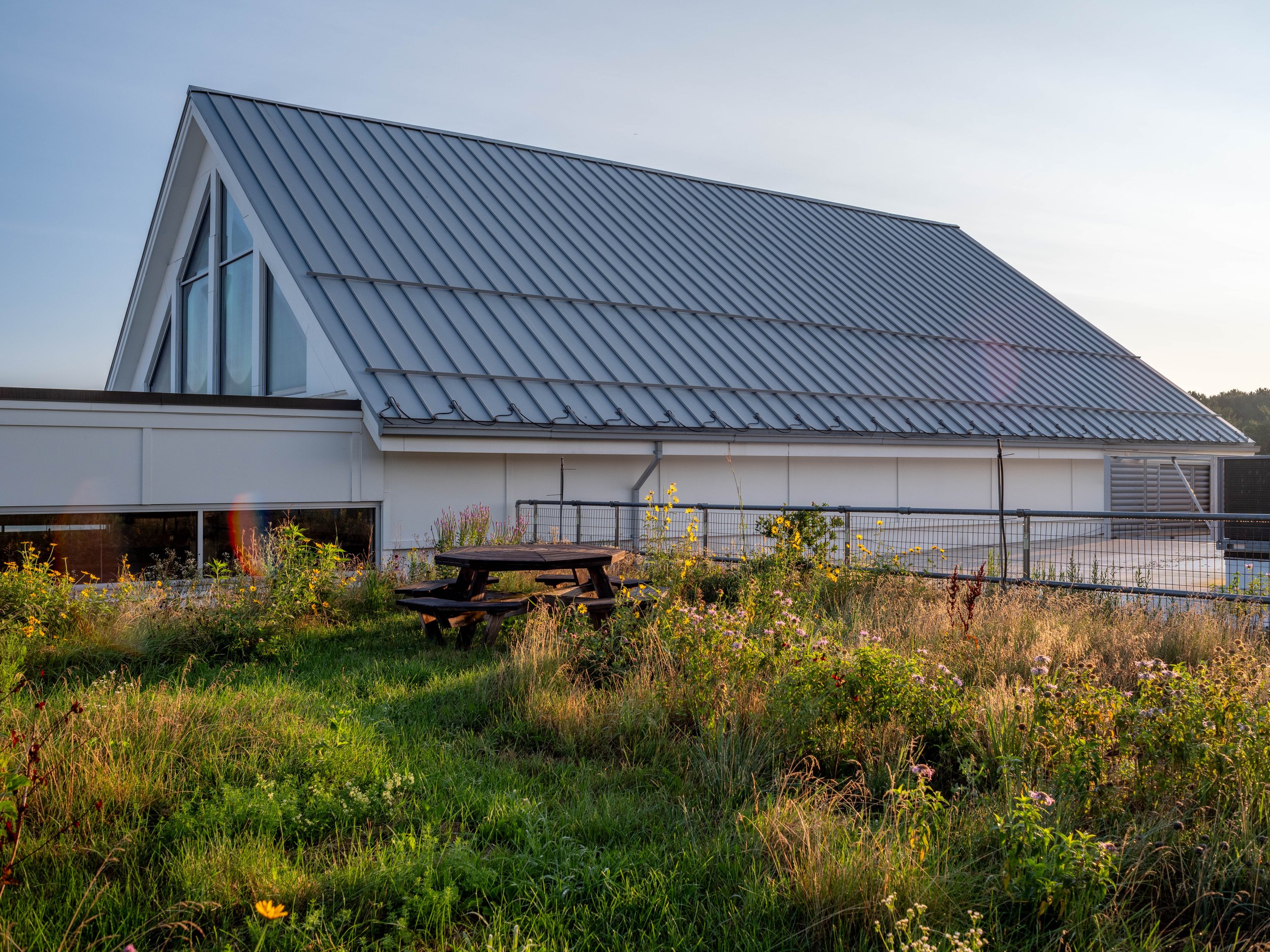
Whole Foods Meadow
Lynnfield, MA
Whole Foods Meadow

Location
Lynnfield, MA
Size
17,000 sq. ft.
Project Completion
Spring 2023 (ongoing)
FROM ROOFTOP FARM TO ROOFTOP MEADOW: A LIVING LANDSCAPE TRANSFORMATION
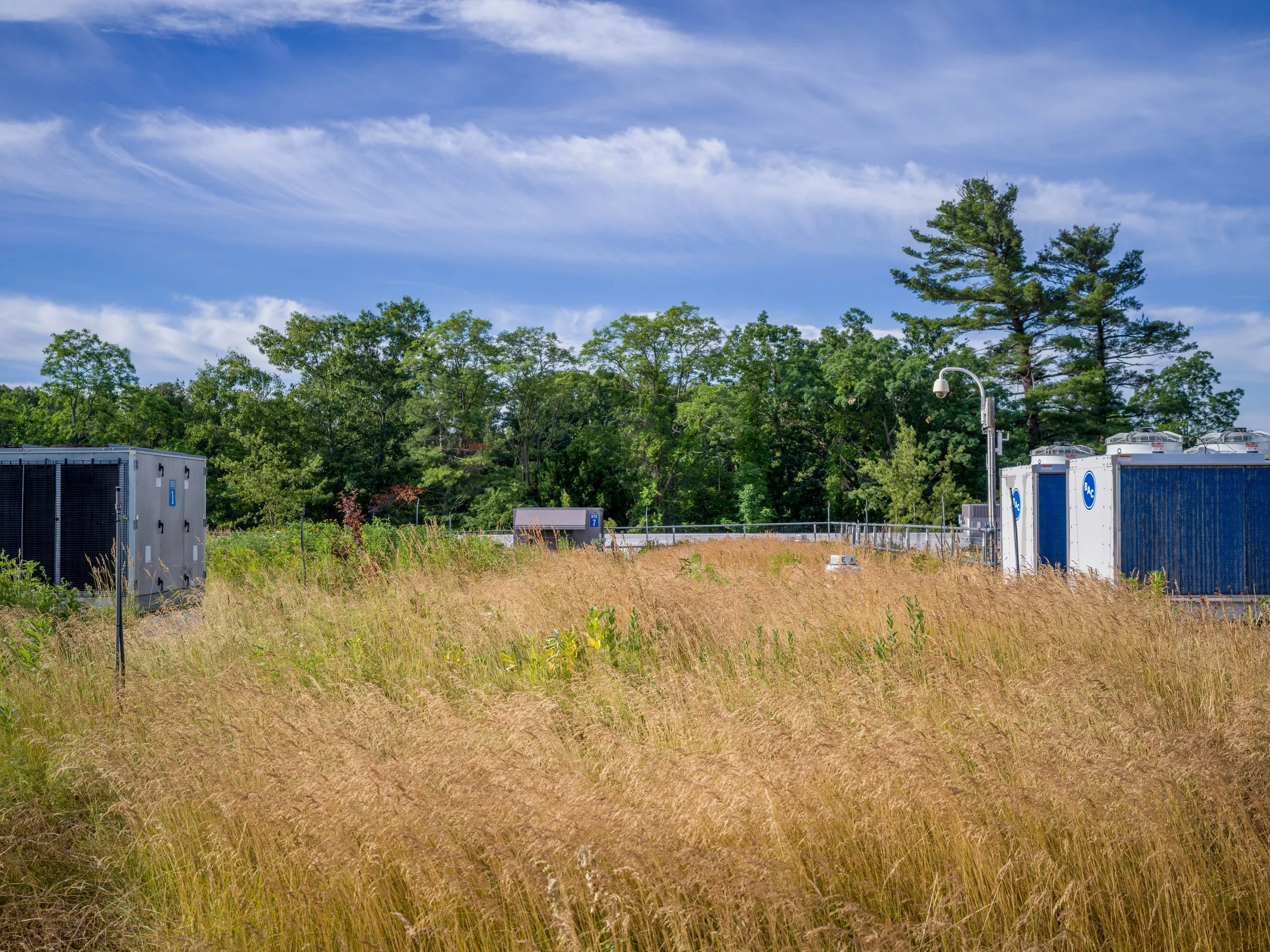
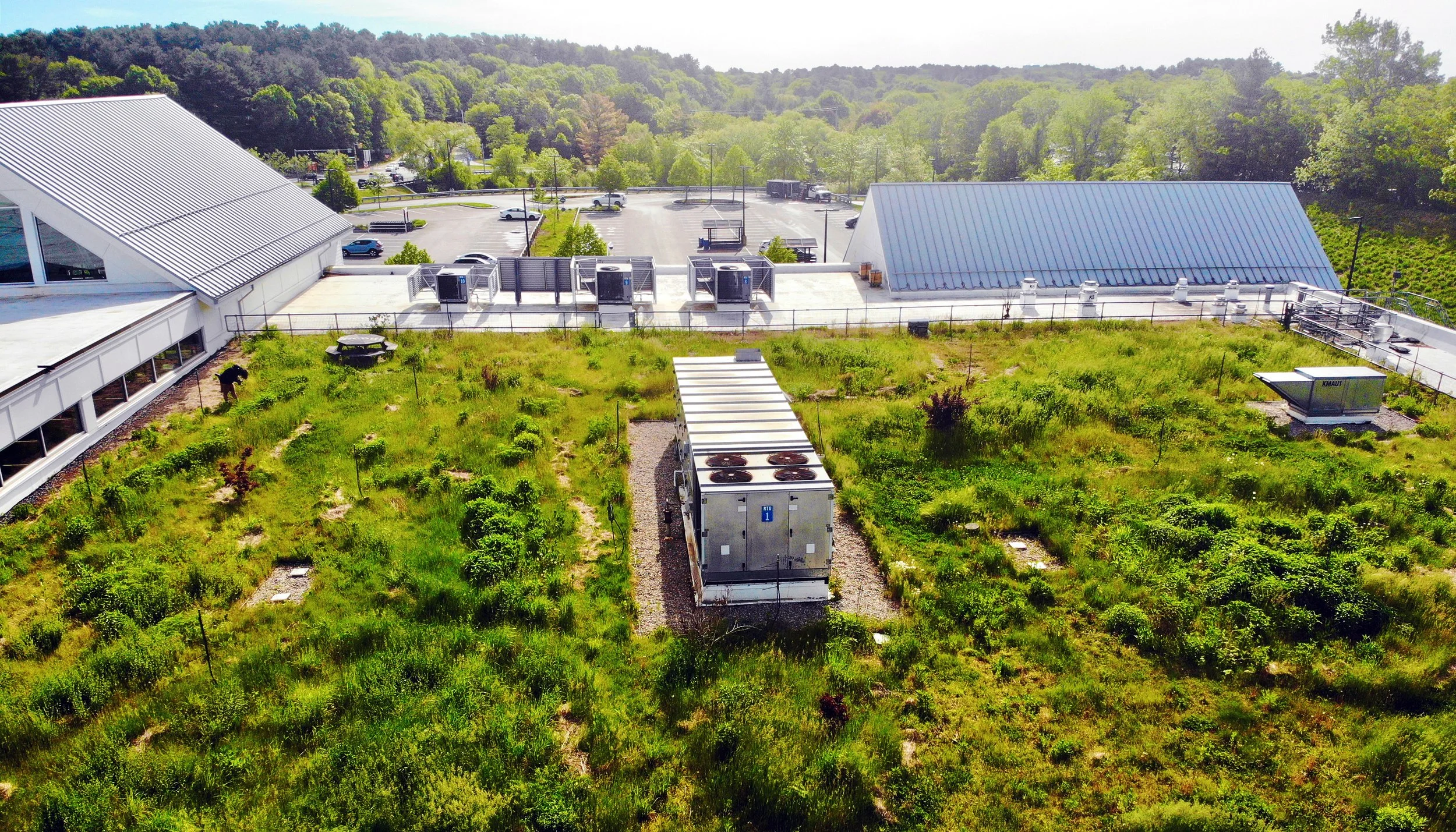
What began as a rooftop farm at Whole Foods Market has evolved into a biodiverse rooftop meadow, demonstrating how an existing green roof can be adapted to meet changing needs while continuing to provide environmental value.
After Amazon acquired Whole Foods in 2017, the company began examining operating costs. In 2021, Whole Foods approached Recover about removing the farm. Ultimately, we found that converting the farm into a meadow would provide better value than removing it entirely. Over the following 18 months, Recover worked with Whole Foods to develop the meadow concept.
In July 2022, Recover removed the remaining farm crops and vegetation, exposing the bare growing media. Plant debris and compost were incorporated into the media, creating mounded areas that would decompose over time while enriching the soil. The roof was graded and initially overseeded with a mix of 80% buckwheat and 20% oats and radishes. The team installed a new irrigation system with five-foot-tall sprinkler heads designed to support the meadow.
The first growth cycle required careful management. The team mowed and string-trimmed the vegetation before the buckwheat went to seed, while intentionally leaving enough vegetation through the fall and winter to provide cover and reduce soil and wind erosion. After the first killing frosts, Recover introduced meadow seed mixes requiring cold stratification.
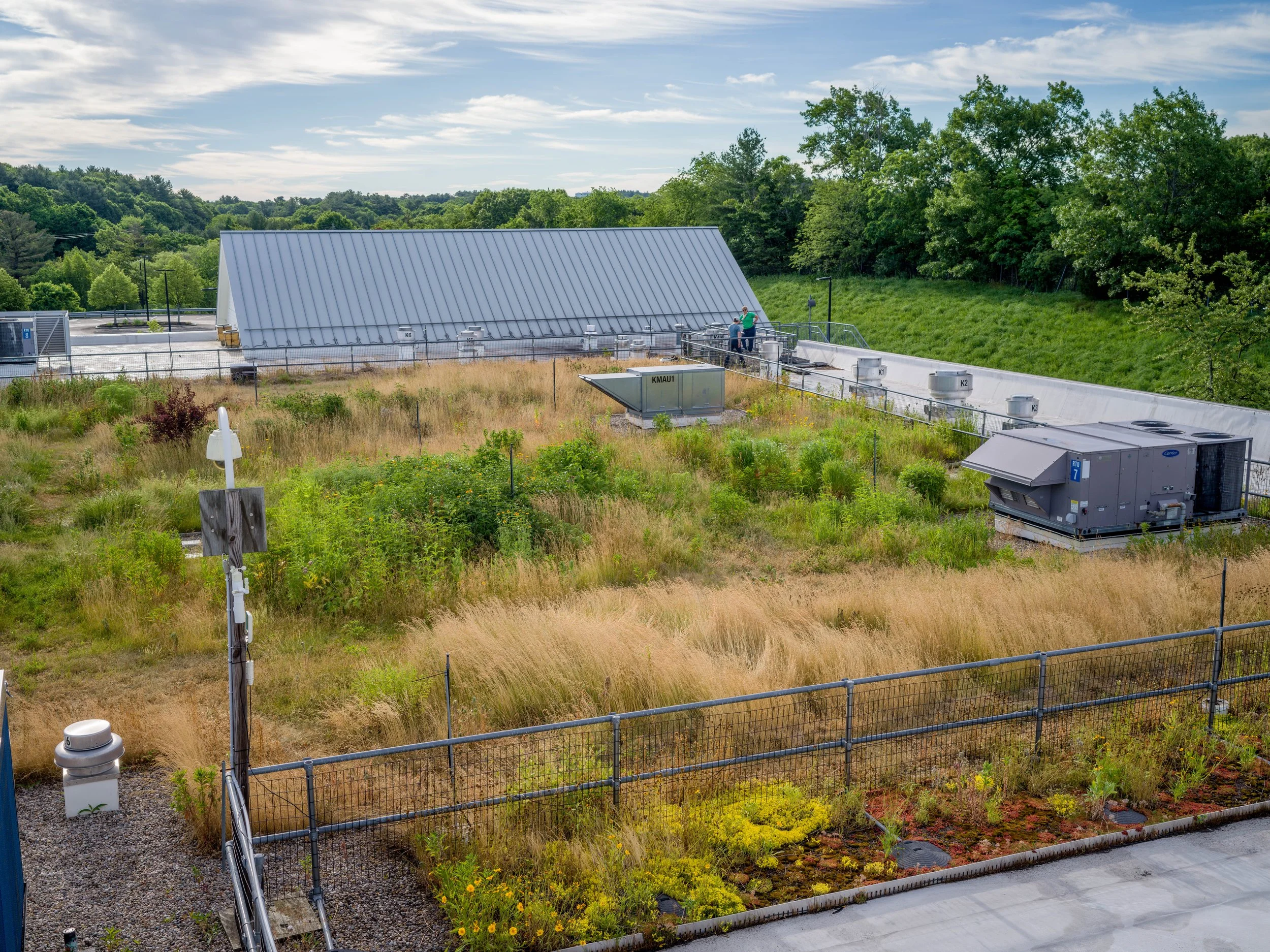
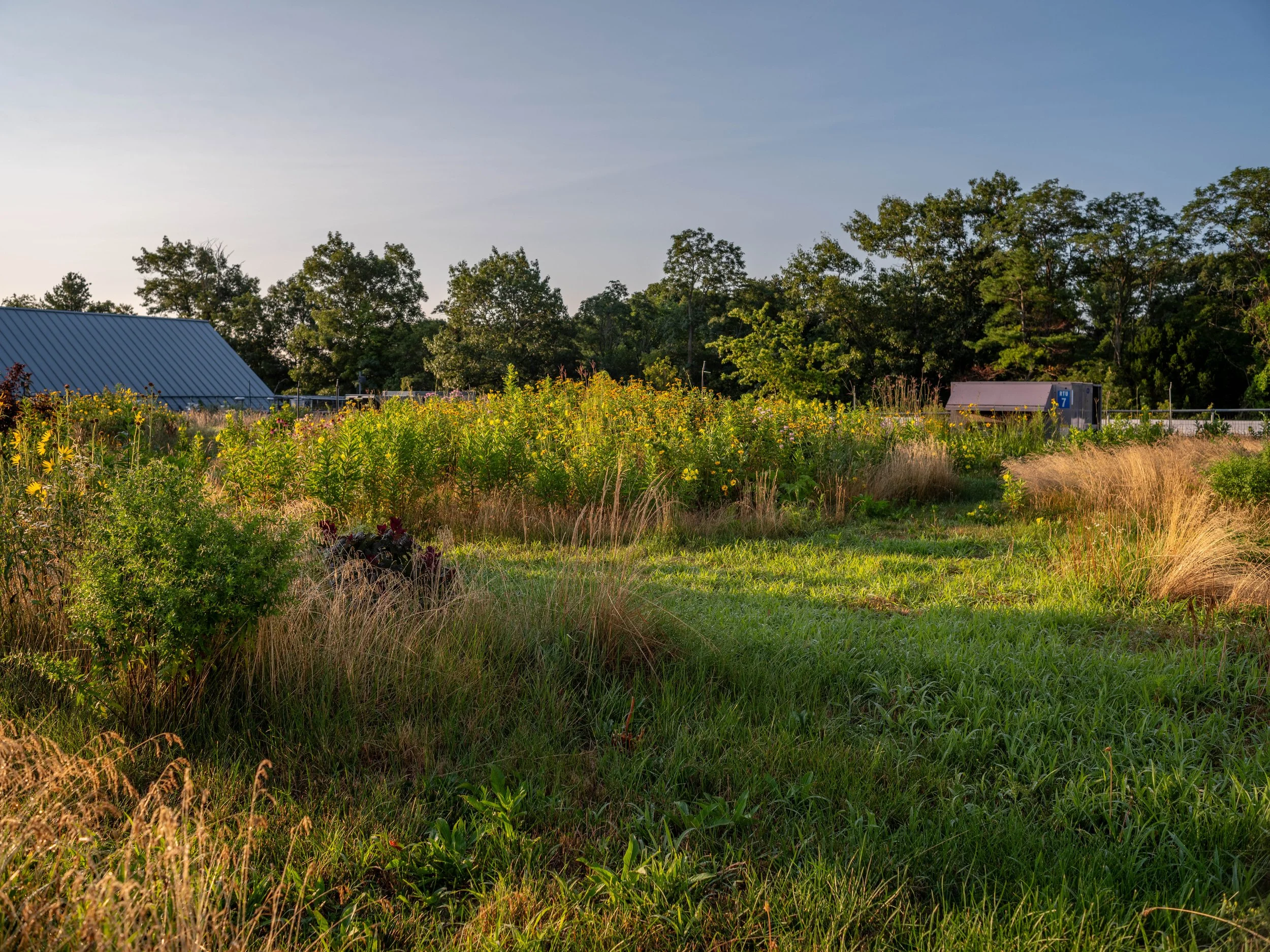
Spring 2023 marked the beginning of the major overseeding effort, with Recover introducing a wider diversity of meadow species. The team cleared competing vegetation, mowed, and trimmed to maintain pathways and define the mounded planting areas while introducing shrubs and taller perennials as accents. Ongoing maintenance provides the consistency and time needed for the meadow to establish.
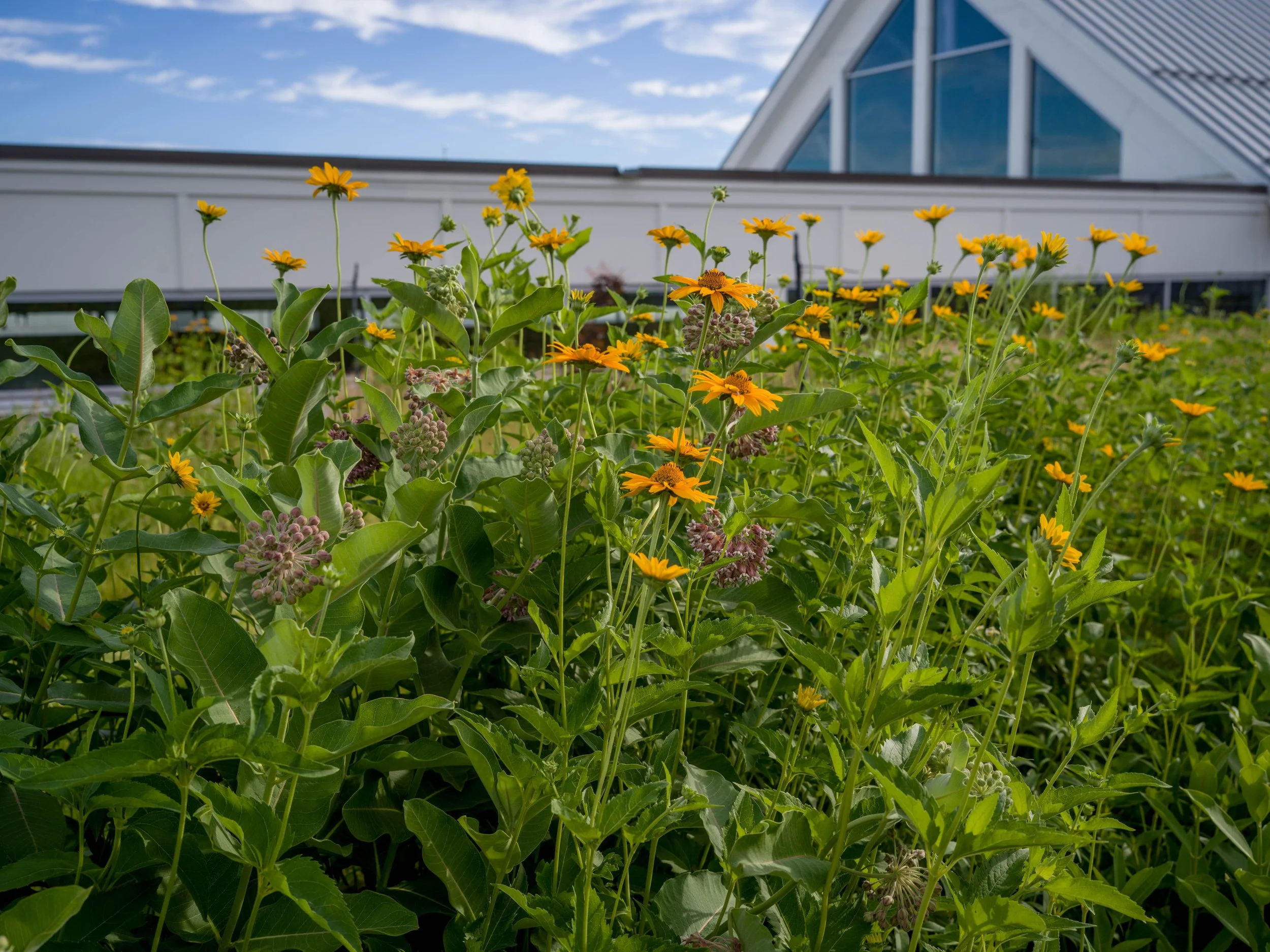
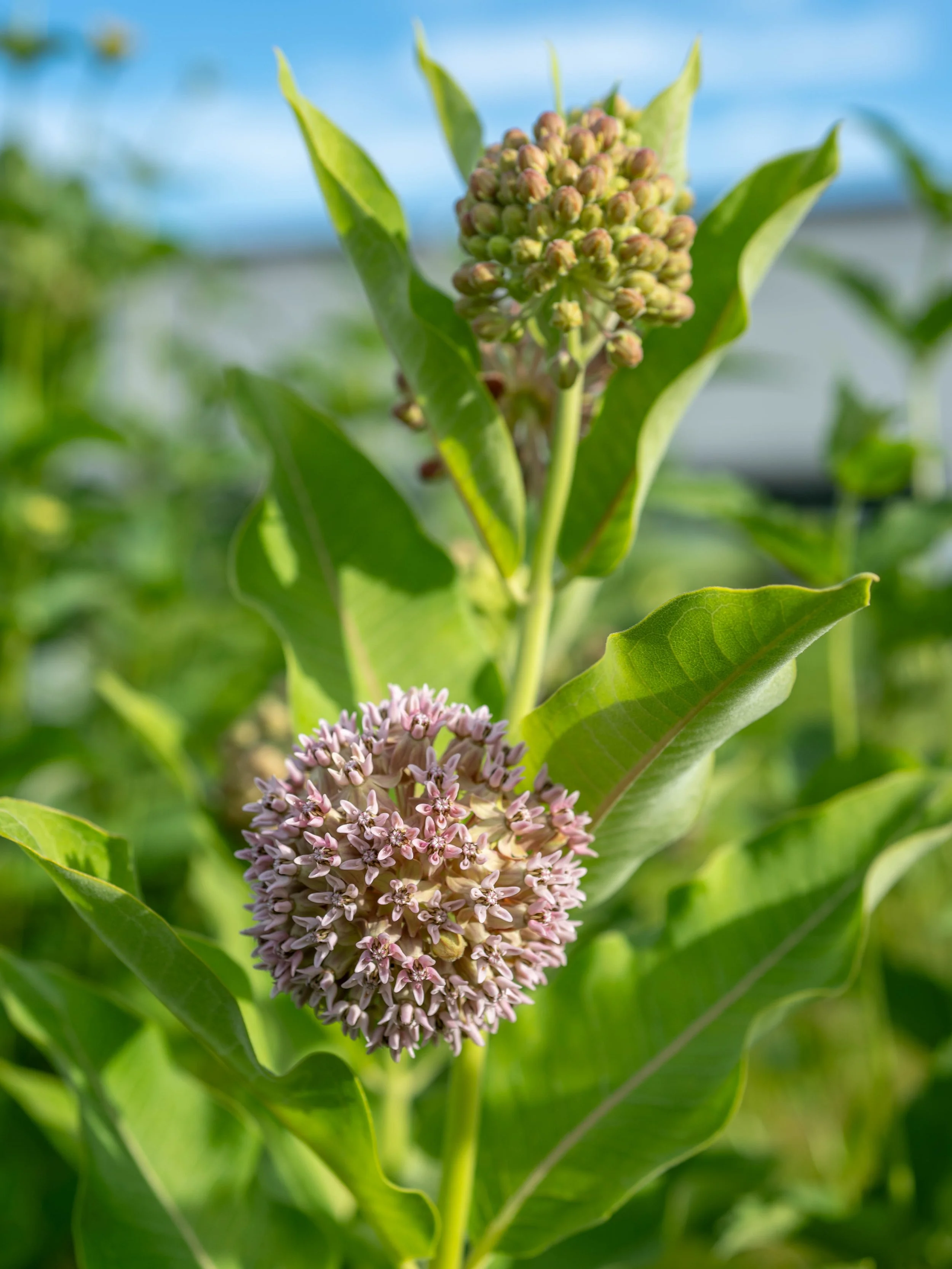
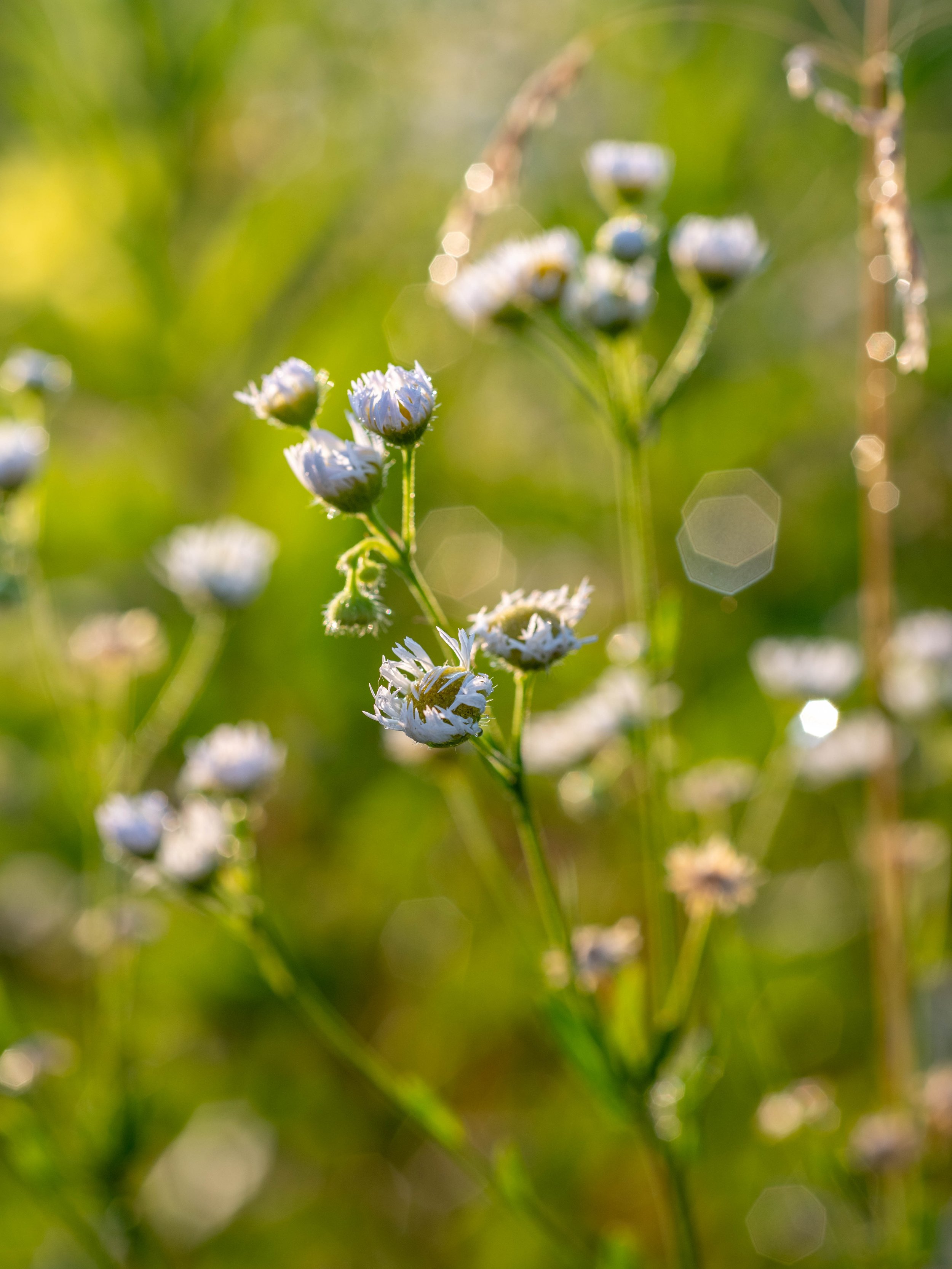
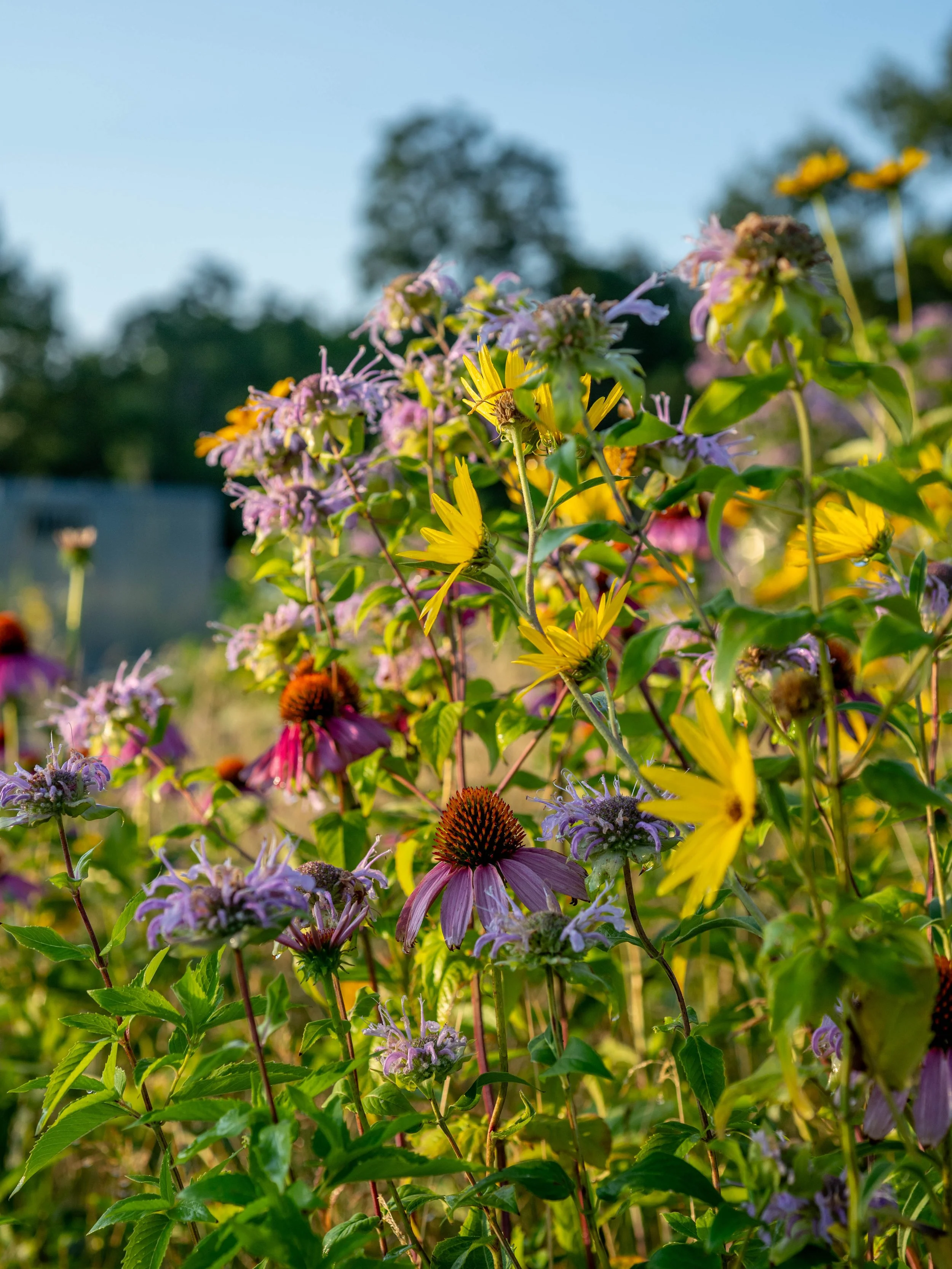
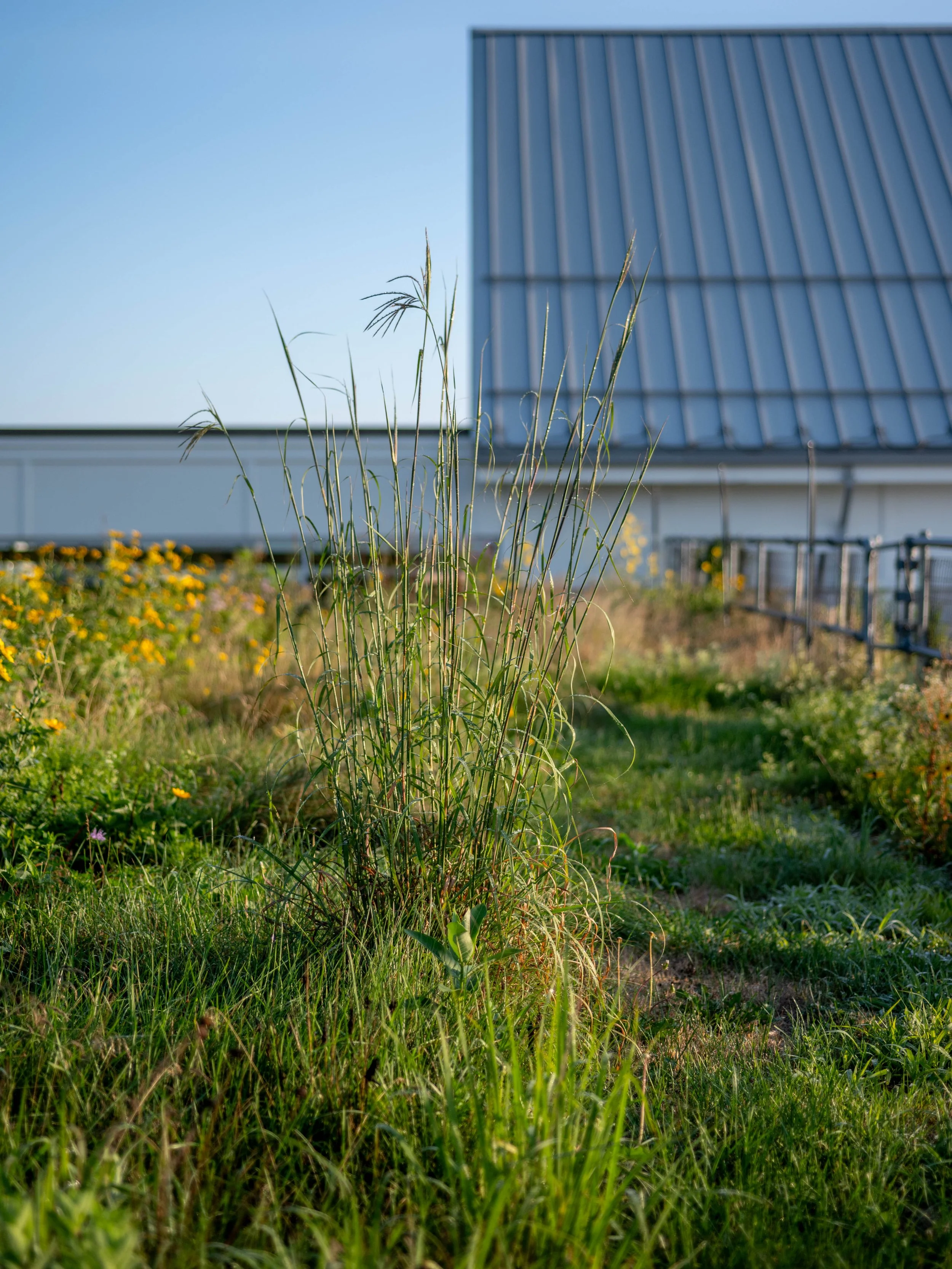
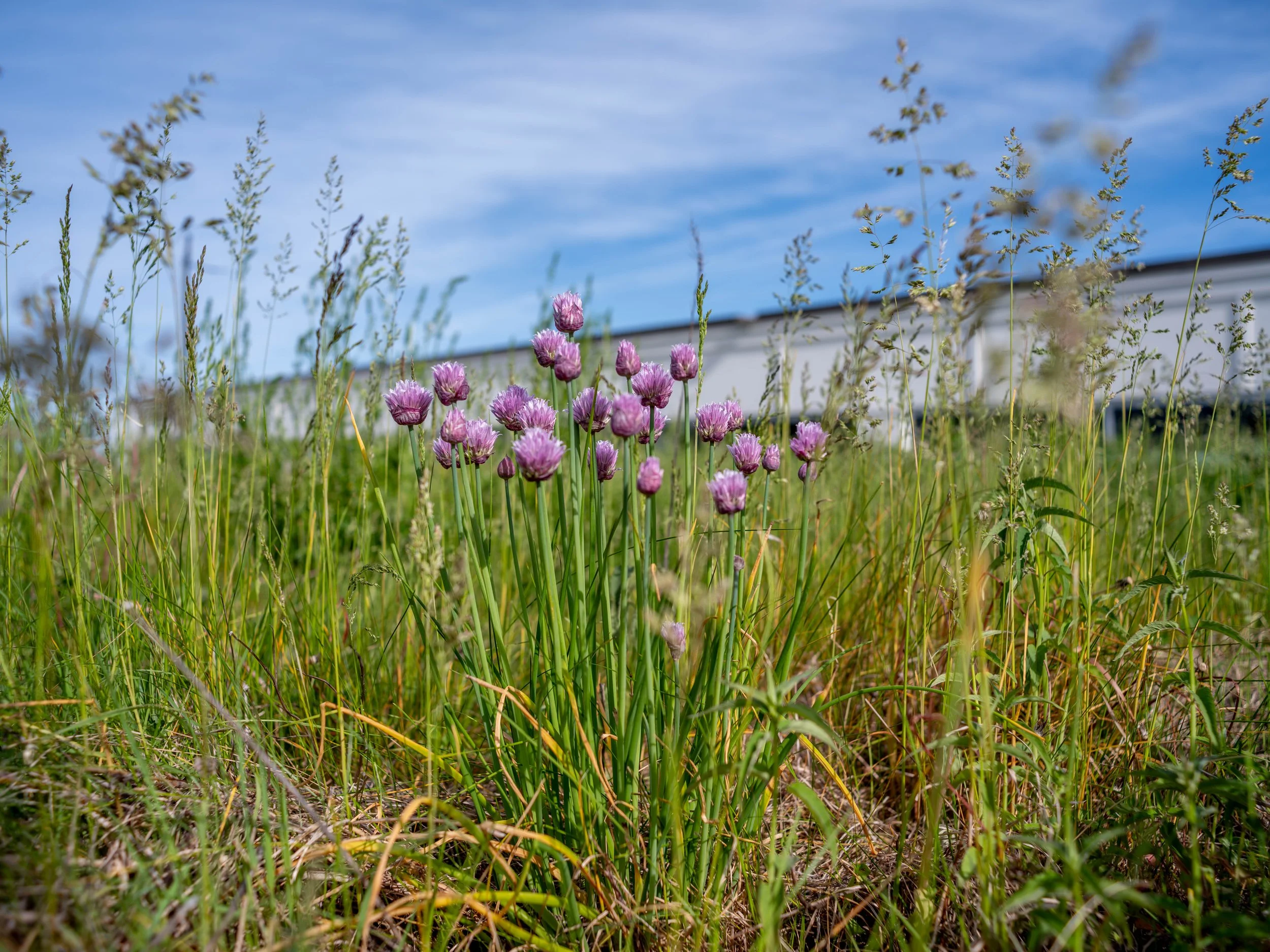
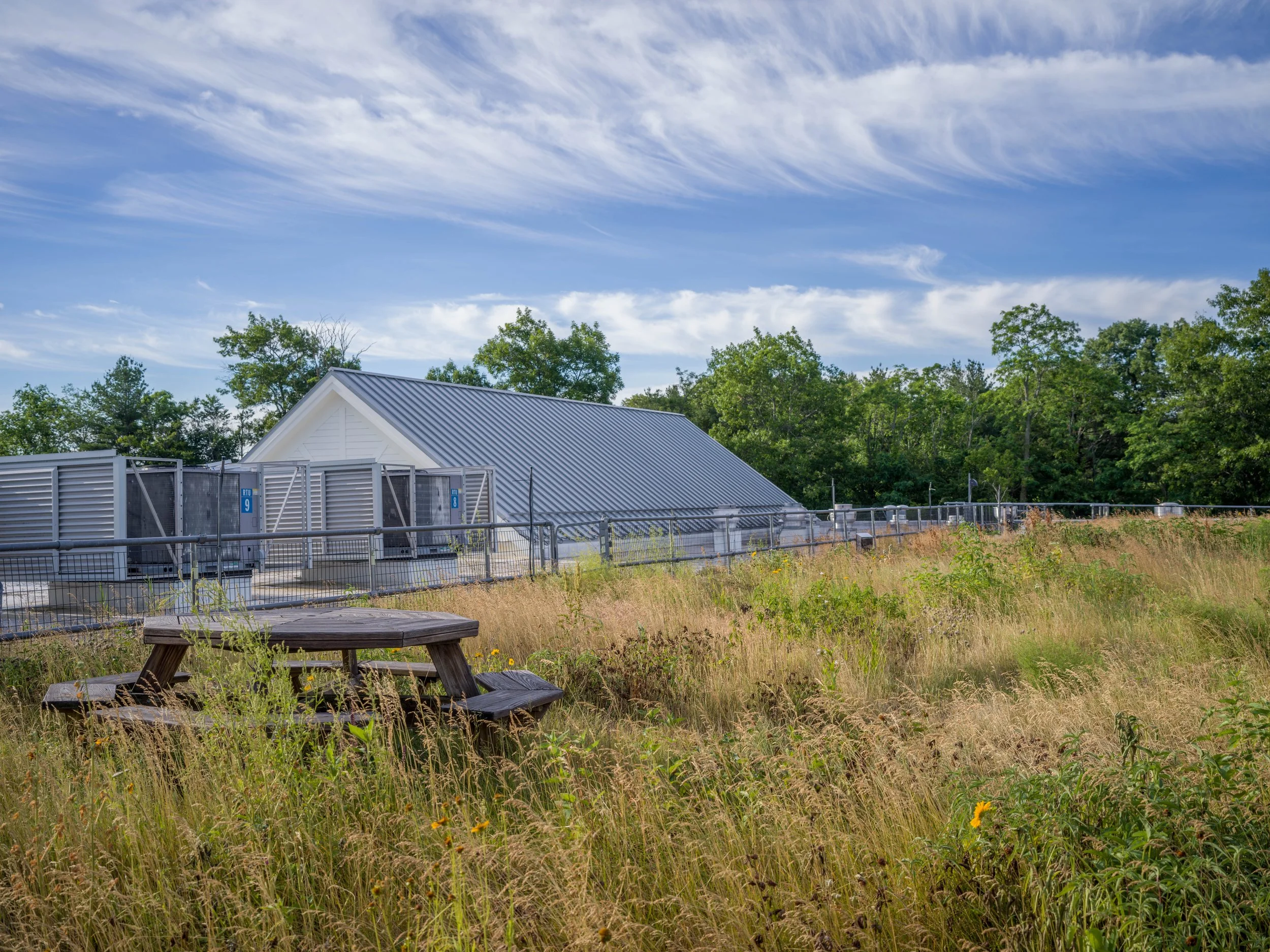
The project’s success depends on long term stewardship and a strong partnership between Whole Foods and Recover. Today, the former farm has become a rooftop oasis: a biodiverse ecosystem of native flowering plants, shrubs, meandering paths, and a picnic table that provides space to pause and enjoy the landscape. Goldfinches, honey bees, monarch butterflies, and other pollinators use the roof as habitat and a source of food and shelter.
The project demonstrates that green roofs are dynamic. With horticultural expertise, experimentation, and long-term care, existing rooftop landscapes can evolve to meet new needs while creating lasting ecological value.
PROJECT INFORMATION
Photographers
Carlos Paronis Photography
-
Whole Foods Market
-
Rooftop Meadow
-
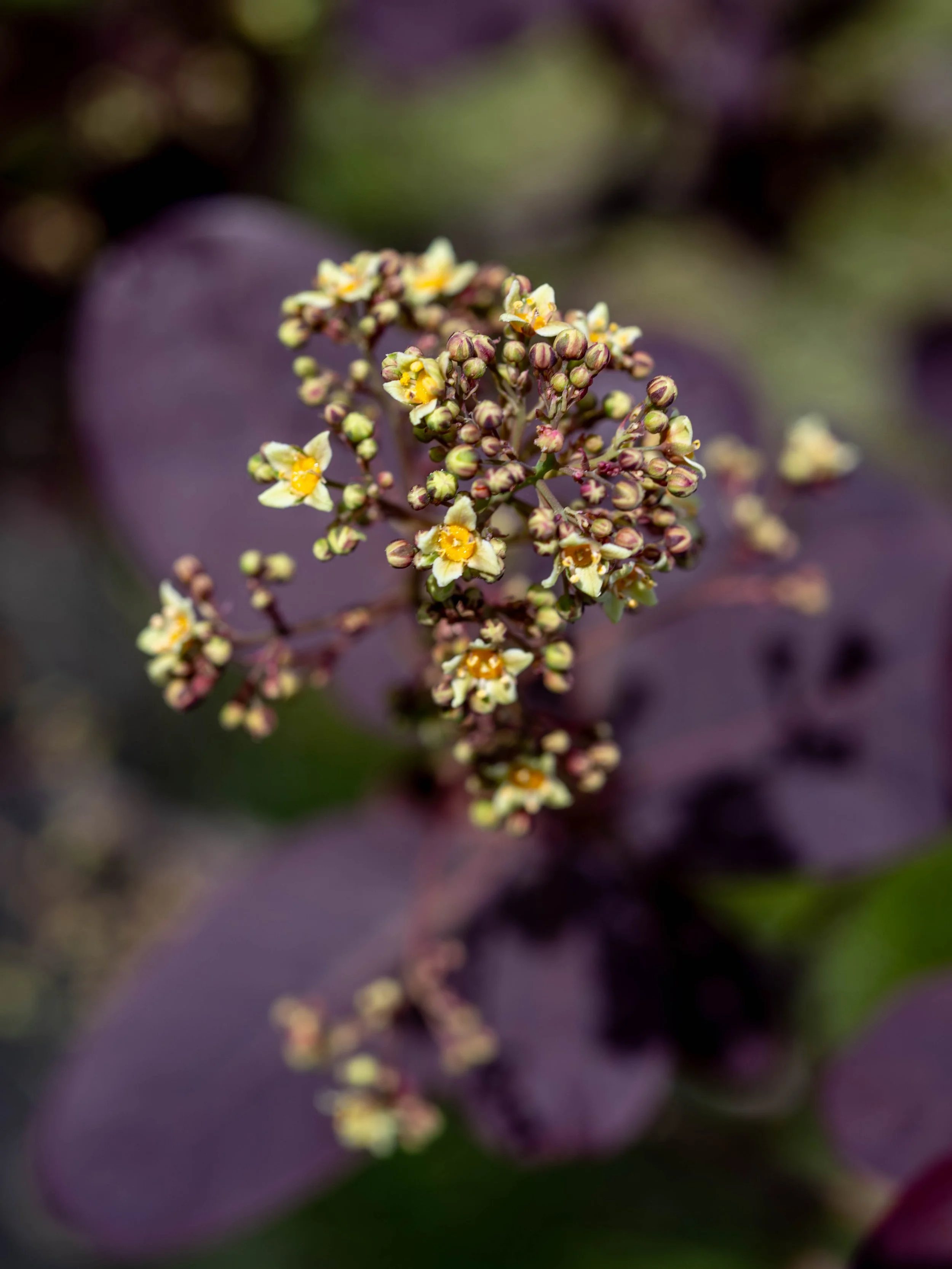
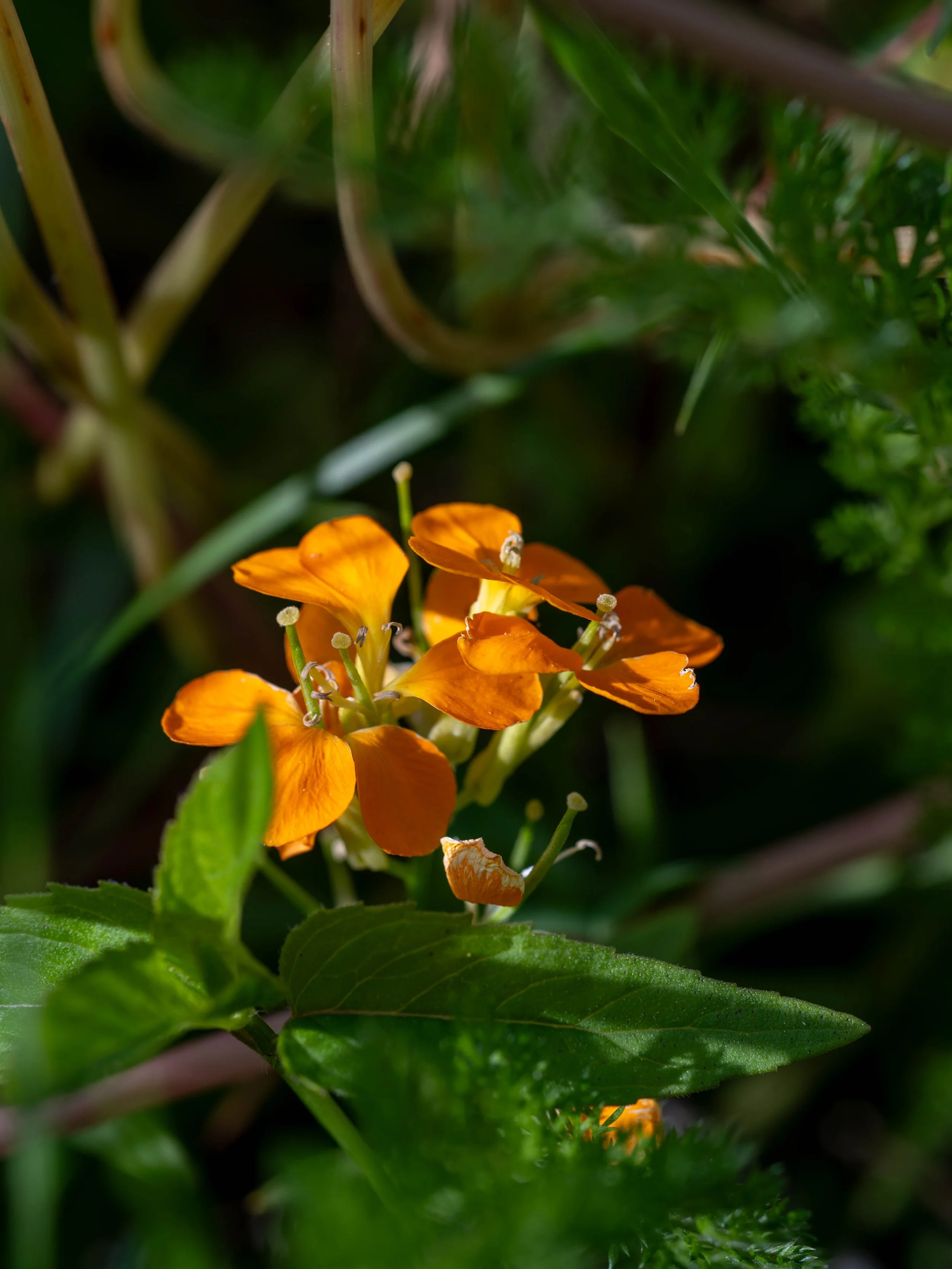
Purple coneflower, wild bergamot, hoary vervain, oxeye sunflower, common boneset, sweet Joe-Pye weed, common milkweed, prairie coneflower, smokebush, flowering raspberry, common ninebark
-
Recover Green Roofs
-
Recover Green Roofs
-
American Hydrotech
-
TPO membrane
-
Johnny’s Selected Seeds, Ernst Conservation Seeds, Ricky’s Flower Market, Prairie Moon Nursery, Seed Corner, American Meadows
-
![]()
May 2026
-
![]()
May 2026
-
![]()
June 2026
-
![]()
June 2026
-
![]()
June 2026
-
![]()
July 2026
-
![]()
July 2026
-
![]()
July 2026